Archives
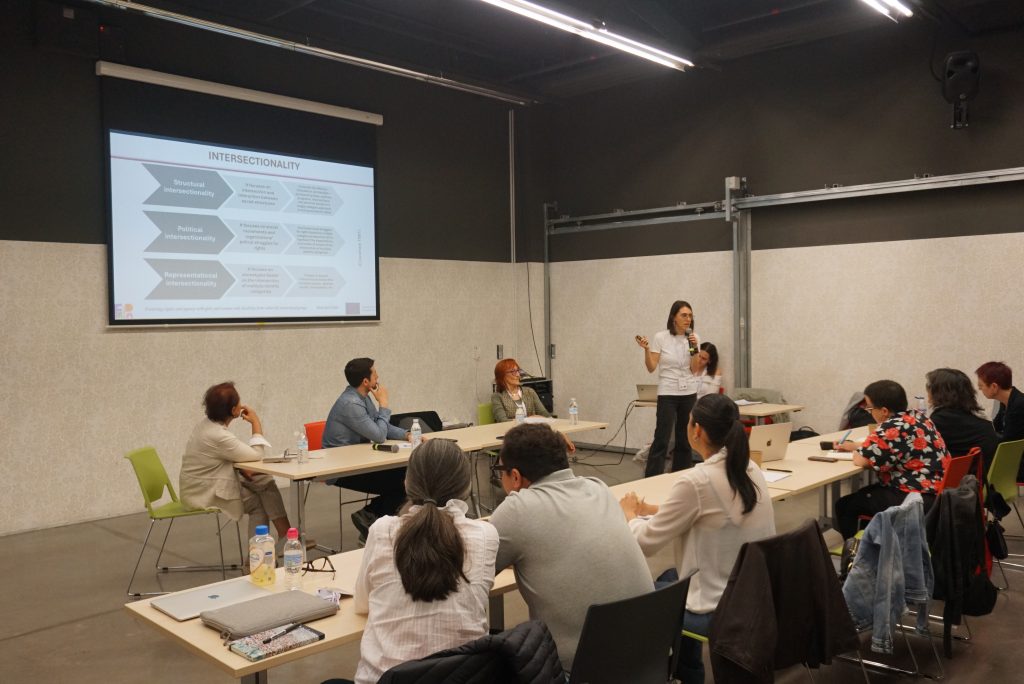
The first day took place on 22nd April at the Fabra&Coats Museum, where the opening session was led by Dr. Gerard Coll-Planas, from the Universitat de Vic (UVIC-Spain), who delivered the conference Imagining Politics of Encounter. Intersectionality as a Tool for Transformative Education, proposing intersectionality as a key tool.
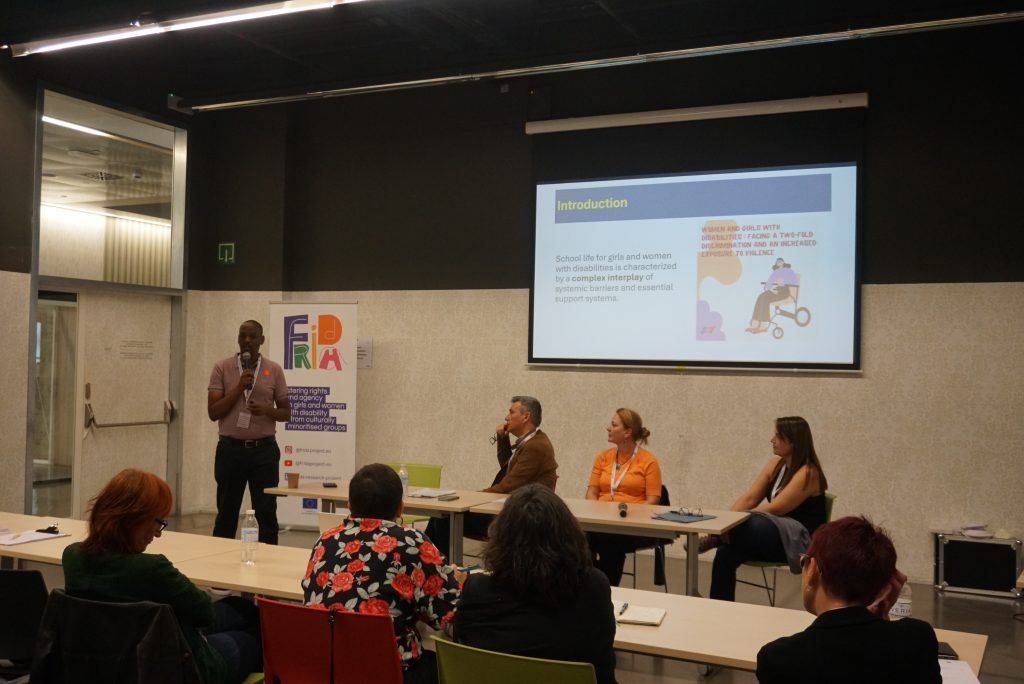
Following an exchange session, the morning continued with a panel discussion on experiences in which critical realities were analyzed:
·Dr. Rocío Sánchez (UAB): Forced Migration: Indigenous Women Moving Across Borders
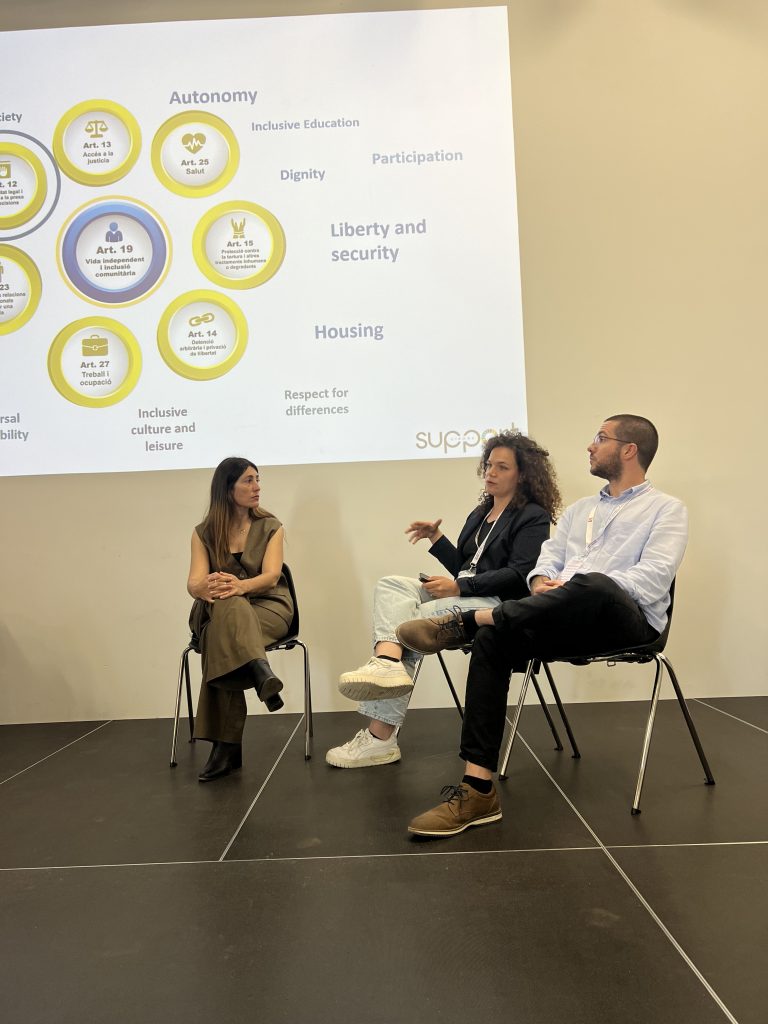
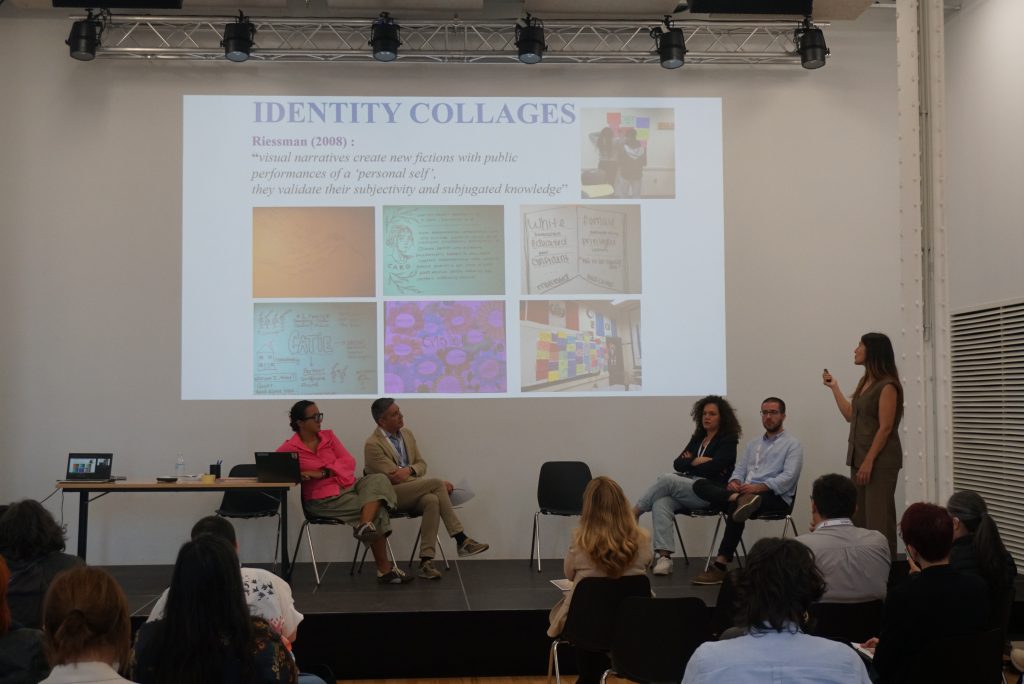
·Ms. Carla Fadlallah and Mr. Sergi Martínez (SUPPORT-GIRONA): Violation of Rights in Women with Disabilities: Experiences from Social and Legal Action.
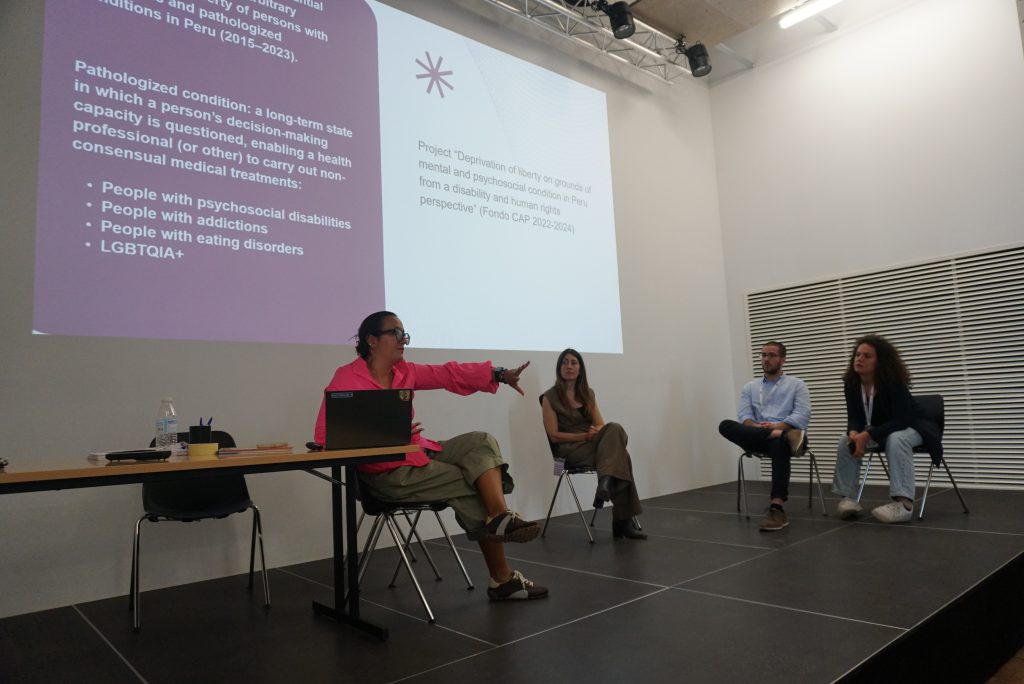
·Dr. Renata Bregaglio (PUCP): Violence and Rights: Women with Disabilities in Mental Health Centers.
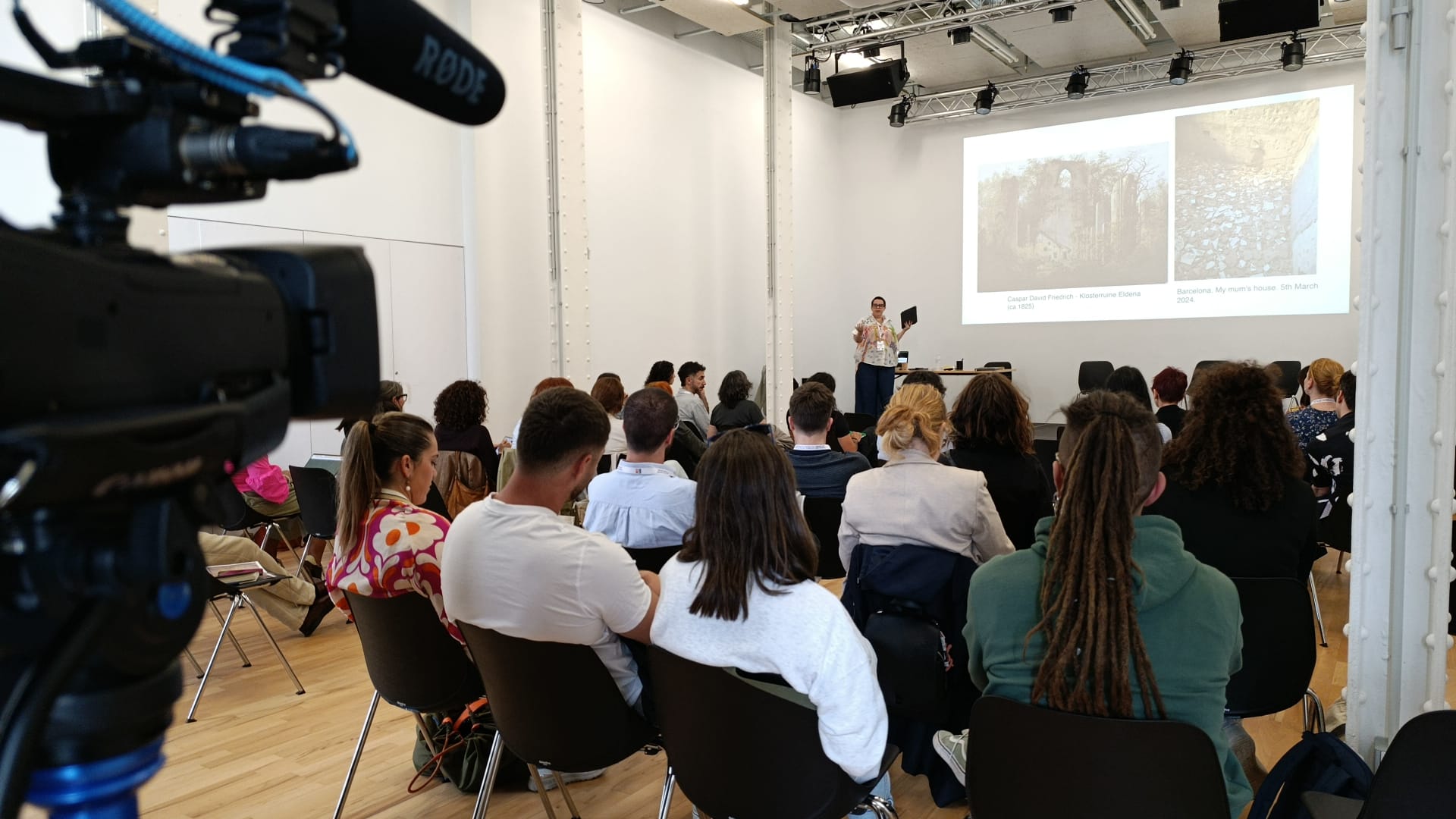
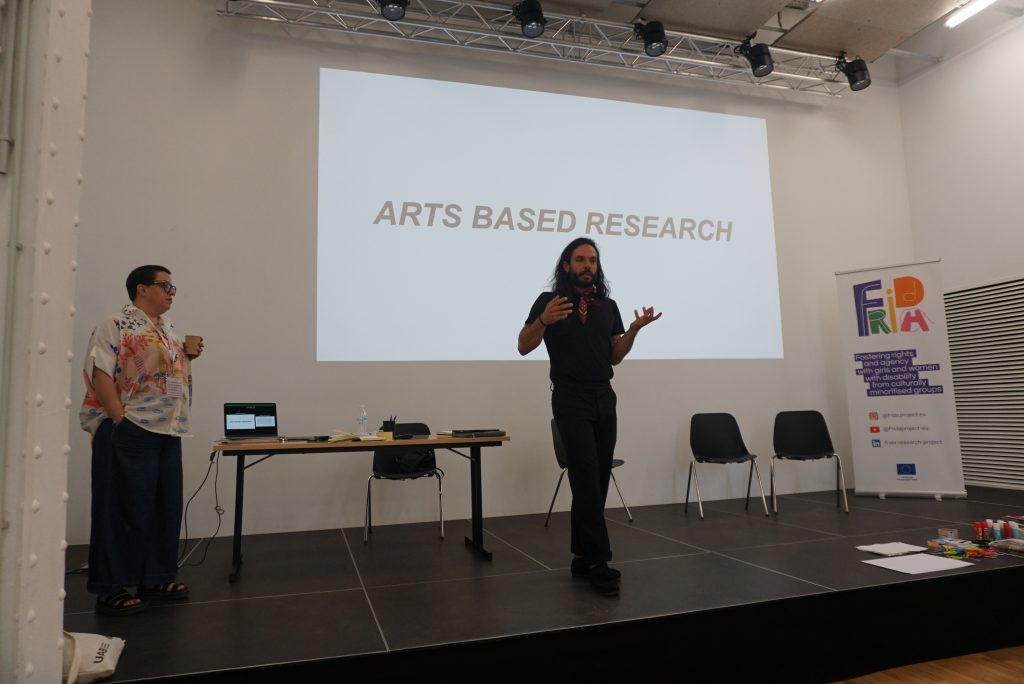
In the afternoon, the focus shifted to research through the arts with a visit to the exhibition ‘As stones on their Palms, Embers and Flame’, followed by a practical workshop led by Dr. Cloe Masotta, Dr. Mar Moron, and Dr. Miquel Sangüesa from the Universitat Autònoma de Barcelona (UAB).
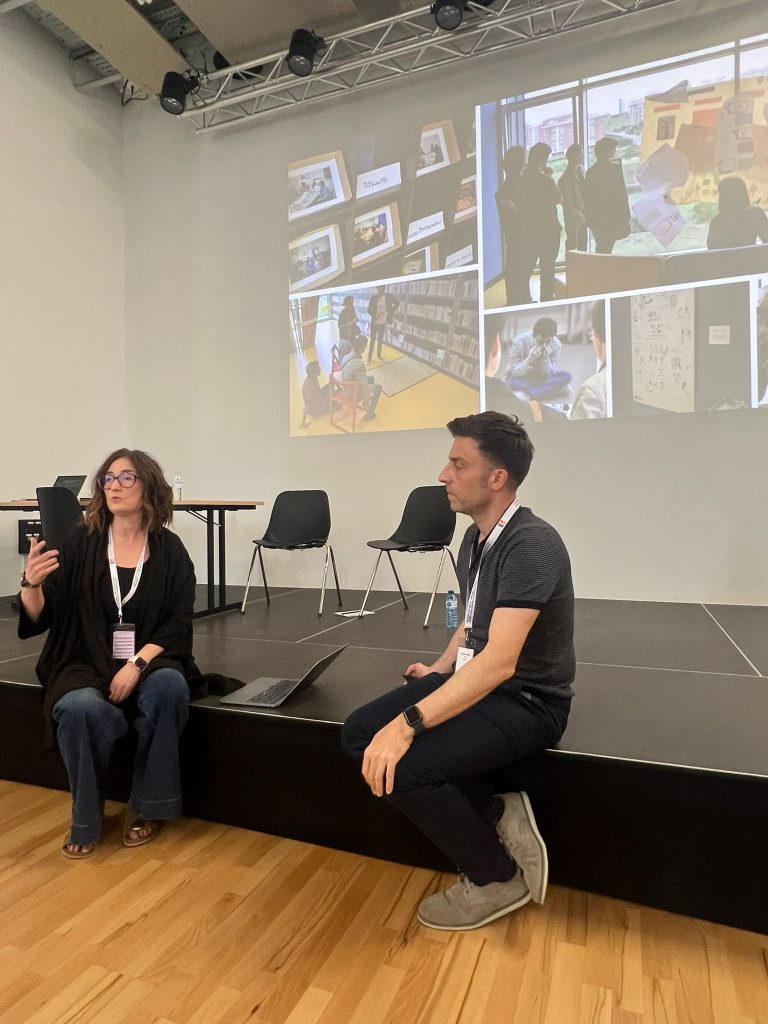
The closing of this first day was led by Dr. Susana Rojas and Dr. Ignacio Haya from the University of Cantabria (UC), who gave a lecture on the principles and challenges of inclusive research.
On 23 April, the workshop moved to the DHUB Museum in Barcelona to explore legislative issues and universal accessibility.
The morning began with a workshop on the rights of girls and women with disabilities, during which Dr. Paola Parolari, Dr. Maria Teresa Carreño and Dr. Luciana Guaglianone examined intersectionality from a legal perspective.
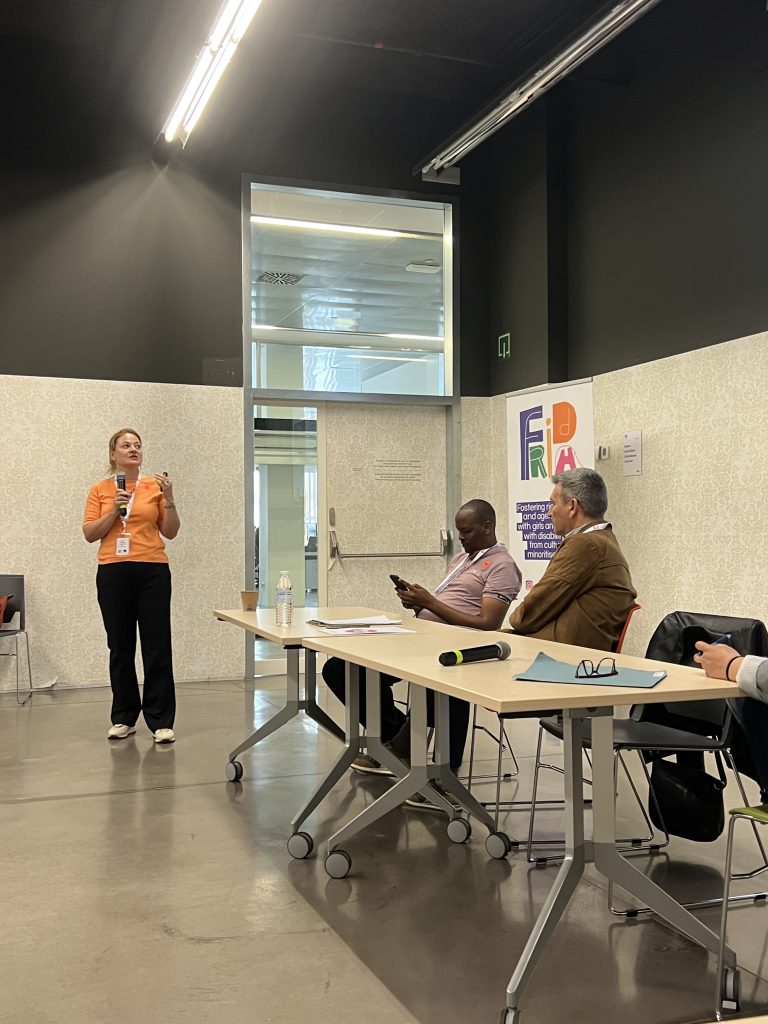
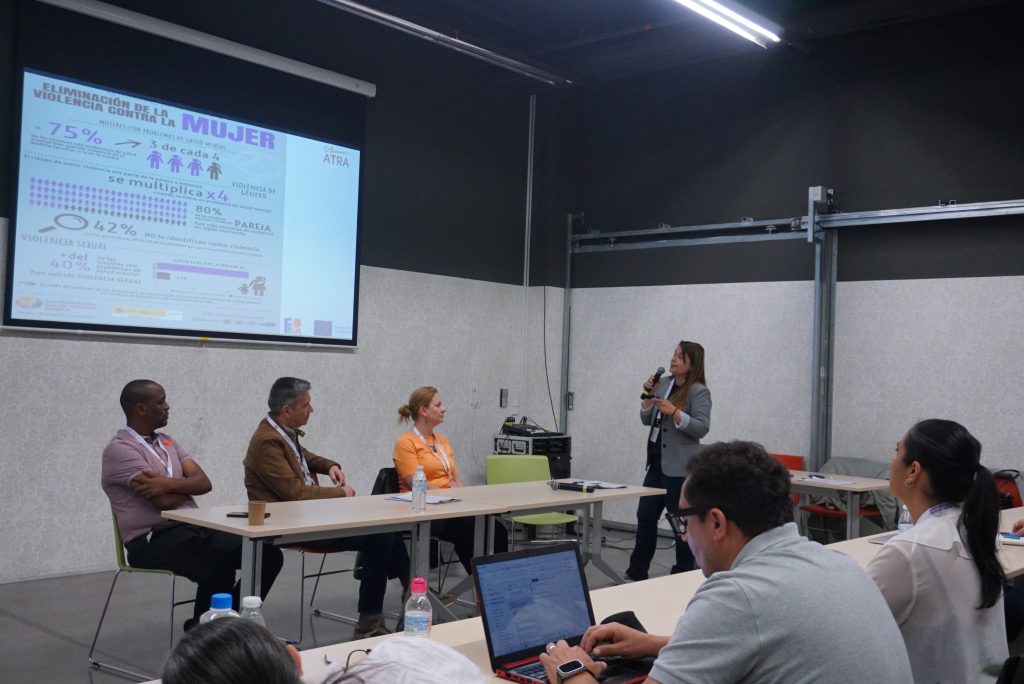
The workshop continued with the implementation of a panel discussion on accessibility experiences, where the following presentations were given:
·Ms. Patricia Colomera (ATRA): Accessibility to social services for women with mental health problems
·Dr. Fortunatus Michael Mbua (MWECAU): Accessibility to schools for girls and women with disability
·Dr. Rozita Petrinska (EfAS): Culture accessibility for girls and women with disability
This workshop not only allowed for the sharing of technical knowledge and life experiences but also reaffirmed the FRIDA project’s commitment to continue promoting the rights and agency of women with disabilities from minoritized groups from an intersectional and global perspective.